When I speak with owners of civil engineering firms, one of the questions that often comes up is what they can actually delegate to us. Most understand the concept of outsourcing drafting work, but they are not always sure where the boundaries are.
Can we develop grading plans, or do we only draft what their engineers have already designed? Can we perform stormwater calculations? Can we prepare a complete construction drawing package? And perhaps most importantly, which responsibilities need to remain with their own engineering firm?
These are important questions, and I believe the answers should be clear before any collaboration begins. At Civil Drafting, we work as an extension of your engineering team, providing the production capacity and technical expertise needed to move your projects forward. This allows your engineers to focus on project leadership, client relationships, and the responsibilities that require their direct involvement. Depending on how your firm operates, that might mean handling a few drafting tasks every month or taking responsibility for nearly the entire design production process, from early concepts to construction drawings, under your engineering direction and review.
The key is understanding which tasks can be delegated and which responsibilities should stay with you.
What Can Civil Drafting Actually Do?
Despite our name, Civil Drafting is not limited to drafting. While CAD production is an important part of our work, our experience extends to civil engineering design development, Civil 3D modeling, hydrology and hydraulics, and the preparation of complete construction documentation packages.
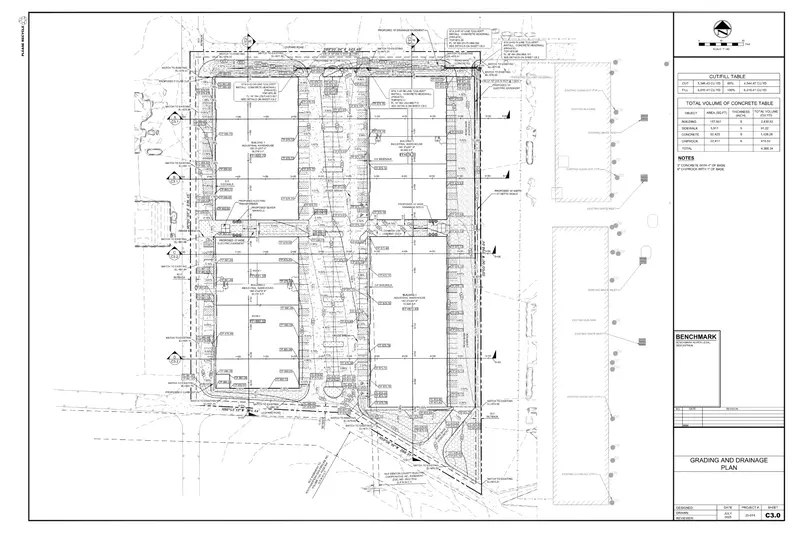
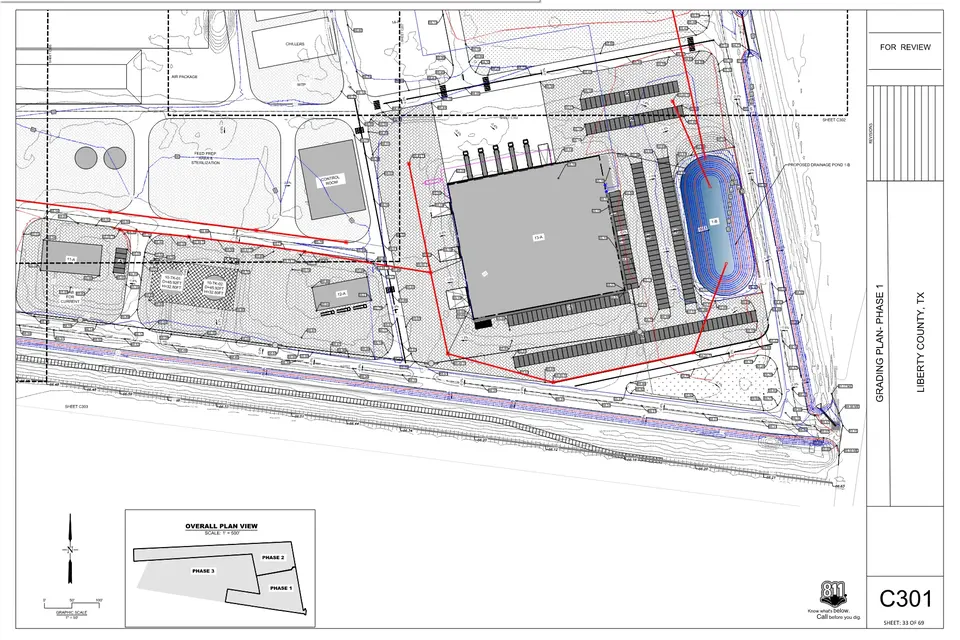
For land development projects, we can work on preliminary site layouts, grading and drainage plans, utility layouts, roadways, erosion control plans, and other typical components of a civil construction drawing set. Depending on the project's requirements, our scope can include stormwater calculations, detention and water quality design, and preparation of the supporting technical documentation.
The level of involvement depends on what the client needs. Some engineering firms provide detailed redlines and ask us to incorporate them into an existing drawing set. Others share a survey, project requirements, design standards, and general engineering direction, then ask us to develop the design and drawings for their review. We are comfortable with both approaches, as well as everything in between.
For example, if your firm is working on a residential subdivision, you do not necessarily need to design every road profile, establish every proposed elevation, or lay out every storm drain before passing the project to us. With the appropriate input information, design criteria, and direction from your engineer, we can develop those elements, prepare calculations, build the Civil 3D models, and assemble the drawing package. Your engineer remains involved throughout the process, reviewing the proposed solutions, providing feedback, and making the final engineering decisions.
This is an important distinction. We are not simply converting engineering instructions into CAD drawings. We can contribute to developing the engineering solutions themselves, while working within the standards, requirements, and professional oversight established by your firm.
What Should Stay With Your Engineering Firm?
Although we can handle a significant portion of design production, there are responsibilities that I believe should remain with the engineering firm we support. Some are matters of professional responsibility, while others are simply better handled by someone who is directly involved in the local market and maintains relationships with the project stakeholders.
The first is the relationship with your client. You understand your client's expectations, the history of the project, the commercial arrangements, and the larger objectives behind the development. Managing those relationships remains with your firm, while we support the technical production needed to deliver on your commitments.
The second is communication with local authorities and agencies having jurisdiction (AHJs). Whether the project requires coordination with a planning department, public works department, utility provider, or another reviewing agency, we believe that official communication should remain with your engineering firm. Local requirements can involve interpretations, established procedures, and discussions that are best managed by the engineer responsible for the project. We can support those conversations by researching requirements, preparing technical exhibits, addressing review comments, and revising documentation, but the communication and coordination with the authorities remain your responsibility.
Most importantly, engineering oversight and professional responsibility must remain with the appropriately licensed engineer. Civil Drafting does not provide a US Professional Engineer's seal. We develop design solutions, models, calculations, and drawings under the direction and oversight of the client's engineering firm, while its responsible PE reviews and approves the final engineering work and signs and seals documents when required.
This does not mean your PE needs to perform every calculation or dictate every design detail. That would defeat much of the purpose of delegating production. It means the responsible engineer establishes the appropriate design criteria, provides the necessary direction, reviews the work at suitable stages, and retains responsibility for the final engineering decisions.
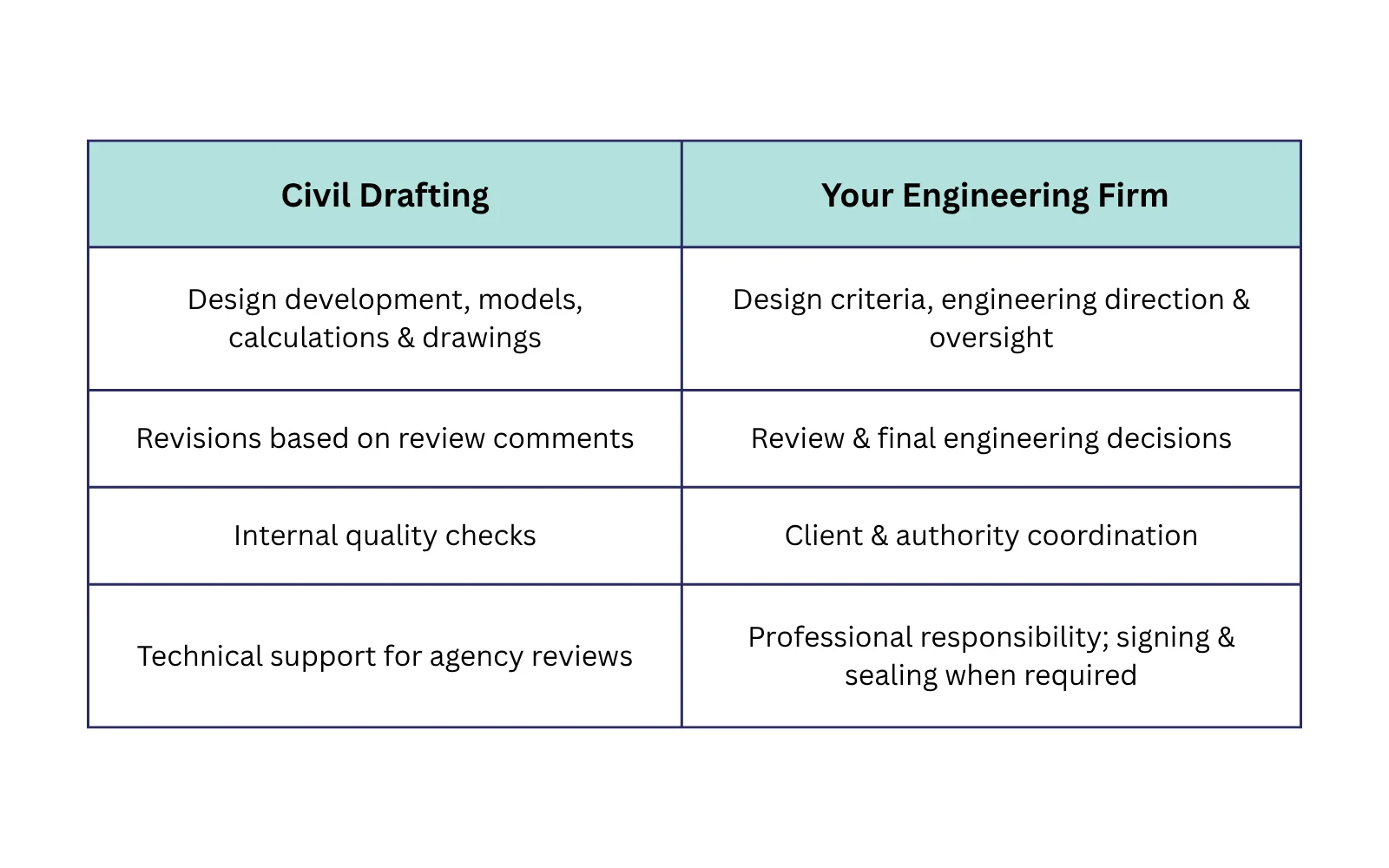
The exact scope depends on the project and agreed responsibilities.
What About Working Directly With Real Estate Developers?
Although civil engineering firms are our primary clients, there is another group we regularly support: real estate developers who need preliminary layouts before committing to a full engineering design process.
Experienced developers often have a good understanding of the markets in which they operate. They may already know the zoning requirements, setbacks, parking ratios, permitted density, and other development constraints that affect their projects. Before engaging a local engineering firm for detailed design and permitting, they sometimes want to explore what might be possible on a particular property.
For example, a developer considering the purchase of land may want to know how many residential lots could reasonably fit on the property, how internal roads might be arranged, or whether a proposed commercial development can accommodate the required buildings, parking spaces, and circulation areas. They may want to compare several layout options to support their financial analysis, discuss a potential acquisition, or present an early concept to investors.
This is where we can help. Using available GIS data, property information, and planning assumptions provided by the developer, we can prepare preliminary site layouts, conceptual subdivision plans, parking arrangements, and alternative development concepts. When sufficient information is available, we can also explore preliminary grading considerations or other physical constraints that may influence the layout.
However, the boundary here is particularly important. These concepts are intended for early planning and internal evaluation. They are not certified feasibility studies, approved site plans, or a substitute for professional engineering services. We do not independently guarantee compliance with local zoning or engineering requirements, and our preliminary drawings should not be treated as permit-ready or construction documents. The developer remains responsible for confirming the applicable requirements with the relevant local professionals and authorities.
If the project moves forward into detailed engineering design, permitting, or construction documentation, an appropriately licensed engineering professional needs to be involved. At that point, we can continue supporting the project as part of that engineer's design production process.
In other words, we can help developers explore ideas and evaluate potential layouts before they invest in a complete engineering package, without presenting preliminary concepts as a replacement for the engineering work that follows.
Different Firms Need Different Levels of Support
One thing I have learned from working with engineering firms is that there is no single outsourcing model that fits everyone. The right arrangement depends on the size of the firm, its internal resources, the type of projects it handles, and how its owner prefers to work.
For firms with an established production team, we can provide additional capacity. This might mean helping with a large project, taking responsibility for a specific part of a drawing package, or handling ongoing CAD and design tasks when the internal team is fully occupied. The firm's existing engineers and designers continue with their usual responsibilities, while we become another production resource they can rely on.
For smaller firms, the arrangement can look quite different. Some engineering businesses operate with only one or two licensed engineers who handle project management, client relationships, technical decisions, and regulatory coordination. Building a full internal production team may not be necessary or desirable for them. In these cases, Civil Drafting can serve as the primary production team, preparing most of the design documentation while the firm's engineers provide direction, review the work, and maintain professional responsibility.
Neither approach is inherently better. A firm with ten internal designers has different needs from a firm with one PE and an administrative assistant. What matters is finding an arrangement that supports the firm's workload, operating style, and long-term business goals.
And that arrangement does not have to remain the same forever. A relationship might begin with a small set of drawing revisions and gradually expand into complete project production as both sides become familiar with each other's standards and expectations.
Clear Responsibilities Lead to Better Results
In my experience, successful outsourcing is less about where the people doing the work are located and more about how clearly the work is organized. Problems usually arise when expectations are unclear, when important information is missing, or when neither side knows who is responsible for making a particular decision.
That is why we believe in defining the scope and responsibilities at the beginning of each project. We need to understand the client's design standards, the available input information, the expected deliverables, and the level of engineering development required. Equally important, we need to know which decisions we can make independently within the agreed design criteria and which issues need to be brought back to the responsible engineer.
Our responsibility is to perform the assigned work carefully, follow the agreed standards, communicate questions and potential issues, and conduct our internal quality checks before submitting the work for review. The client's responsibility is to provide the necessary project direction and information, coordinate with the owner and relevant authorities, review the engineering work, and give the final approvals.
The process should be collaborative rather than a simple exchange of instructions and drawings. If we identify a grading conflict, a potential drainage issue, or a more efficient way to organize a site, we want to bring that to the engineer's attention and propose a solution. At the same time, we recognize that our client has the broader project context and final authority over the design.
A good production partner should reduce the amount of work your engineers need to do, not create another layer of management that consumes their time.
The Goal Is to Let Everyone Focus on What They Do Best
I started Civil Drafting with the idea that civil engineering firms should be able to access reliable design production without having to build all of that capacity internally. Over time, our work has shown me that this model can support very different types of businesses, from firms looking for help with individual tasks to those that prefer to keep their internal teams small and delegate most of their production.
I also believe that outsourcing works best when neither side tries to do everything. Your firm brings the local engineering knowledge, professional responsibility, client relationships, and project leadership. We bring the technical production capacity, Civil 3D experience, and the ability to develop the drawings, models, and calculations needed to move your projects forward.
Our objective is not to take the engineer out of engineering. It is to help engineers spend less of their time on production tasks and more of it on the decisions, relationships, and responsibilities that truly require their expertise.
If that sounds like the kind of support your firm needs, the next question is usually how to get started. And that is exactly what I will cover in the next article.
 Dušan Dimitrijević Read more →